
George Cleverley
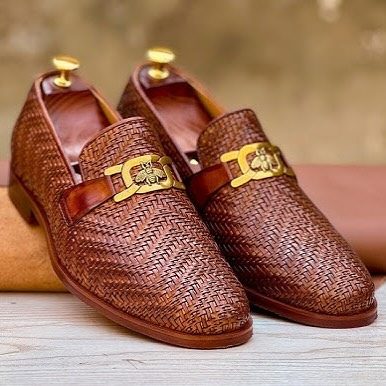
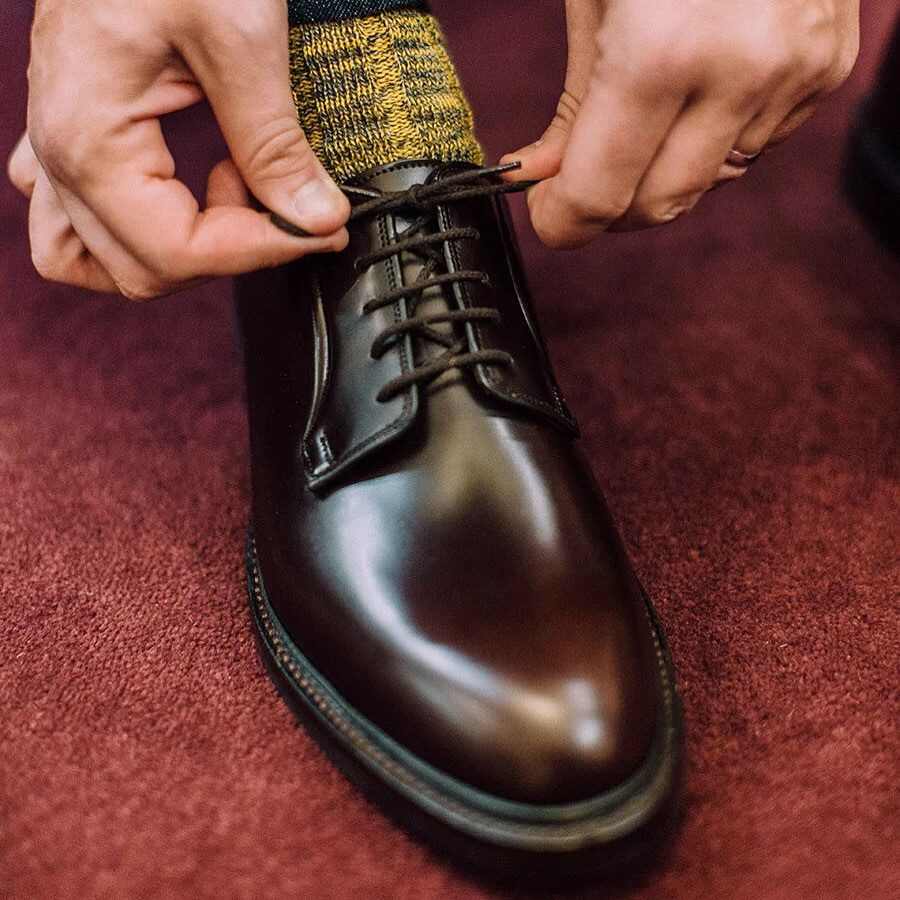
AN APPARENTLY COUNTER-INTUITIVE aspect of ‘classic’ English style is its elasticity; its ability to assimilate the avant-garde into the lexicon of the accepted with surprising rapidity. George Cleverley is a case in point. Founded in 1958, it’s almost a century younger than John Lobb. Yet, in short order, it attained a worldwide reputation for impeccable craftsmanship and chic it’s only consolidated over the intervening decades. Hailing from a family of shoemakers, George Cleverley, who worked almost until the day of his death in 1991, pioneered his signature chisel toe in a city that had hitherto only worn round. Designed to ‘dress’ as much as ‘protect’, Cleverley shoes were immediately recognisable because of their elegantly tapered shape.
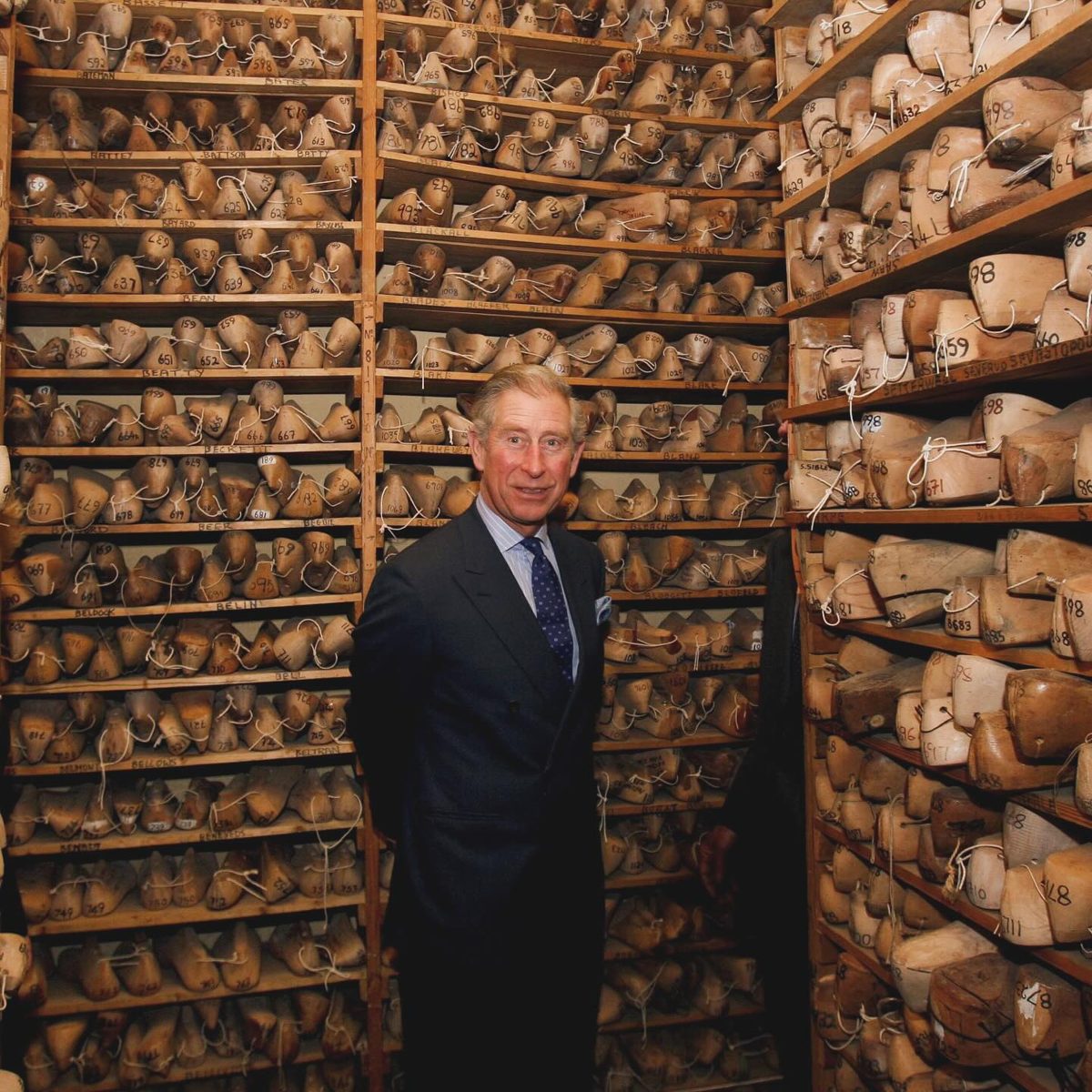
As such, they were speedily adopted by the likes of Alexis de Redé and Rupert Loewenstein. Since then, Cleverley has diversified from full bespoke via semi-bespoke to ready-to-wear, and from the extremely traditional to the downright outré, without yielding an inch on quality. Its showroom may be scarcely bigger than a jewellery box – reached via a corkscrew staircase, the workroom is directly overhead, with the office and last store above that – but there’s plenty here to catch the eye, not least the range of goods in Russian leather salvaged from a cargo ship that sank in 1786. Fragrant, supple and ultra-rarefied, these are wallets, washbags and passport holders unlike any others.
See also: John Lobb