Brown’s Hotel
Albemarle Street, W1S 4BP · 020 7493 6020
hotels
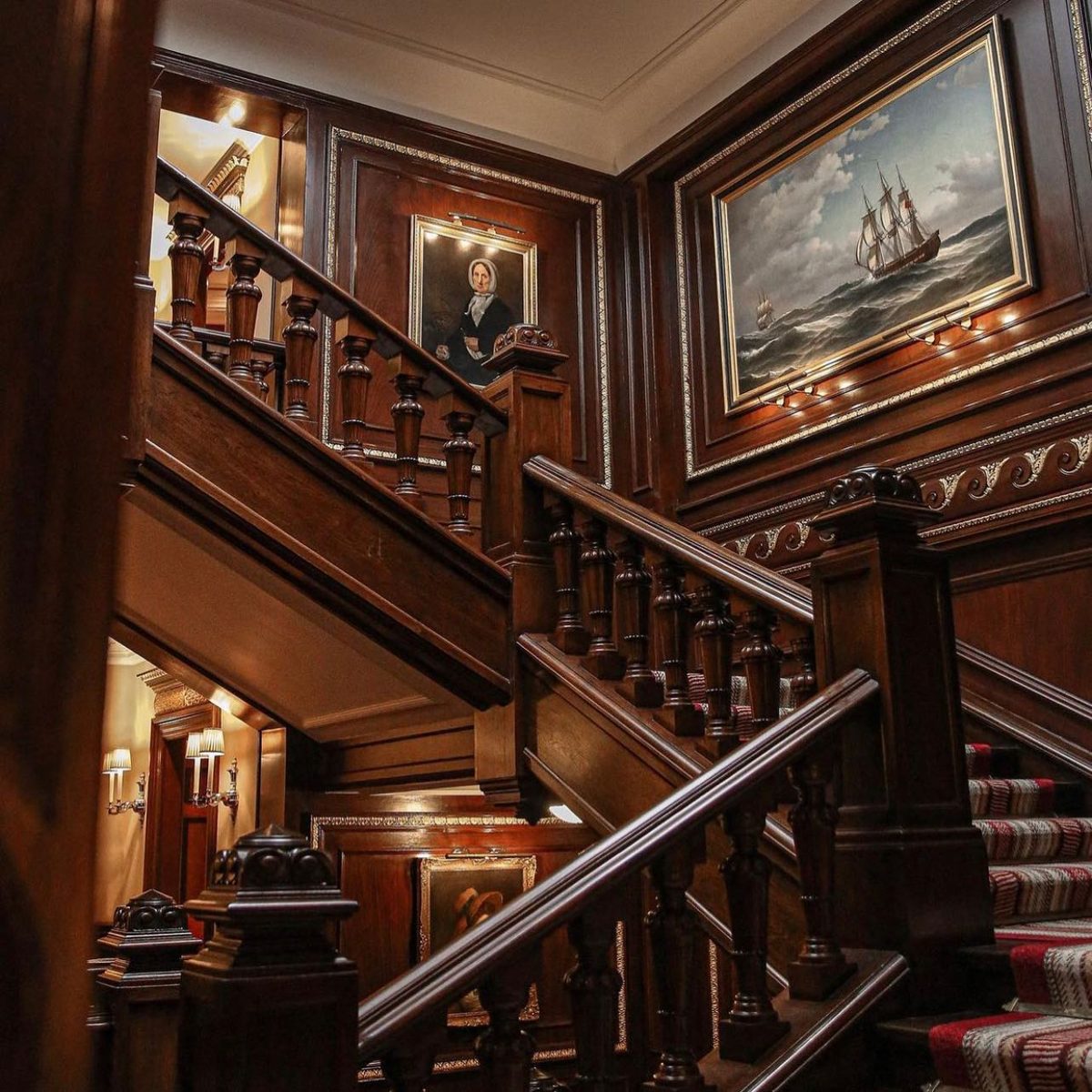
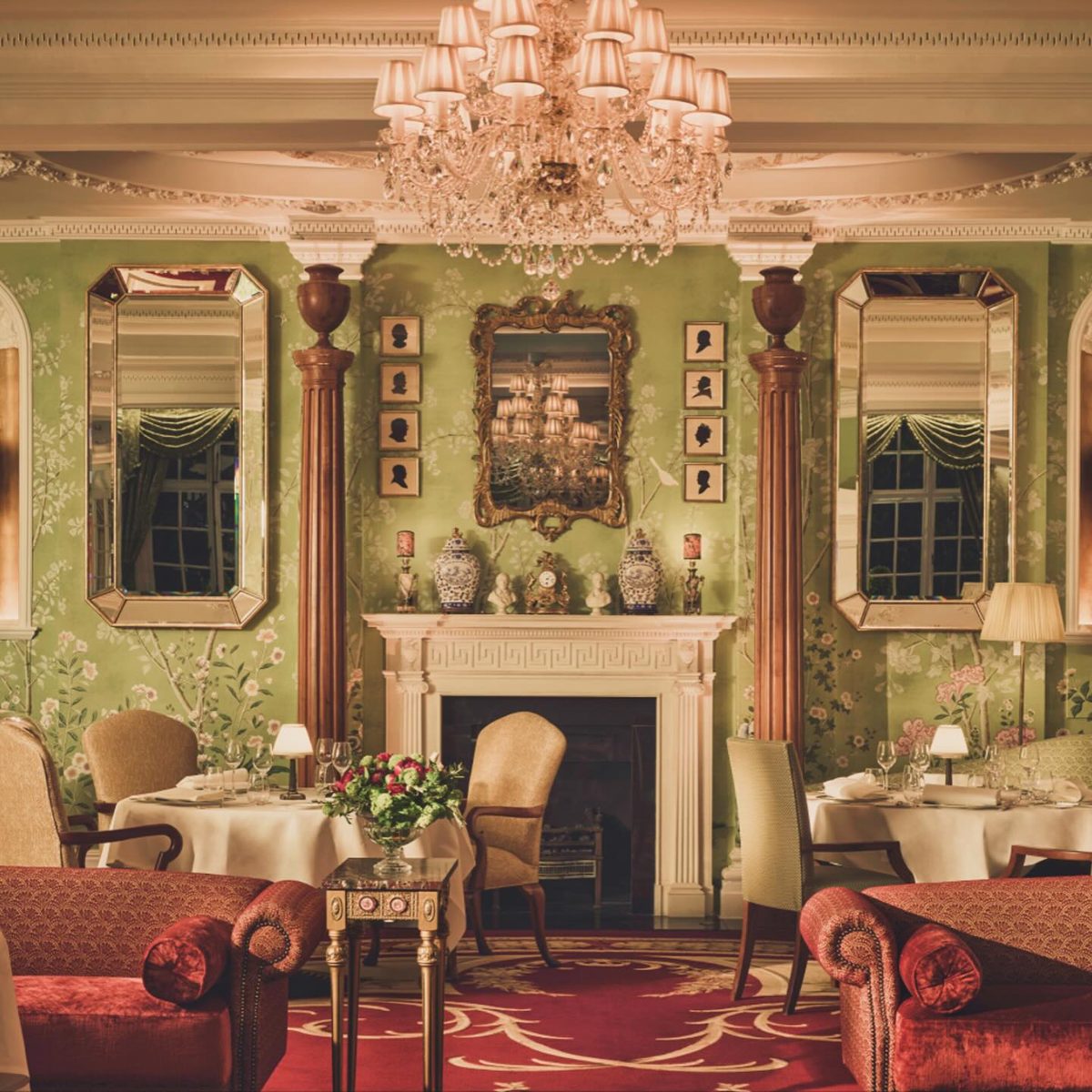
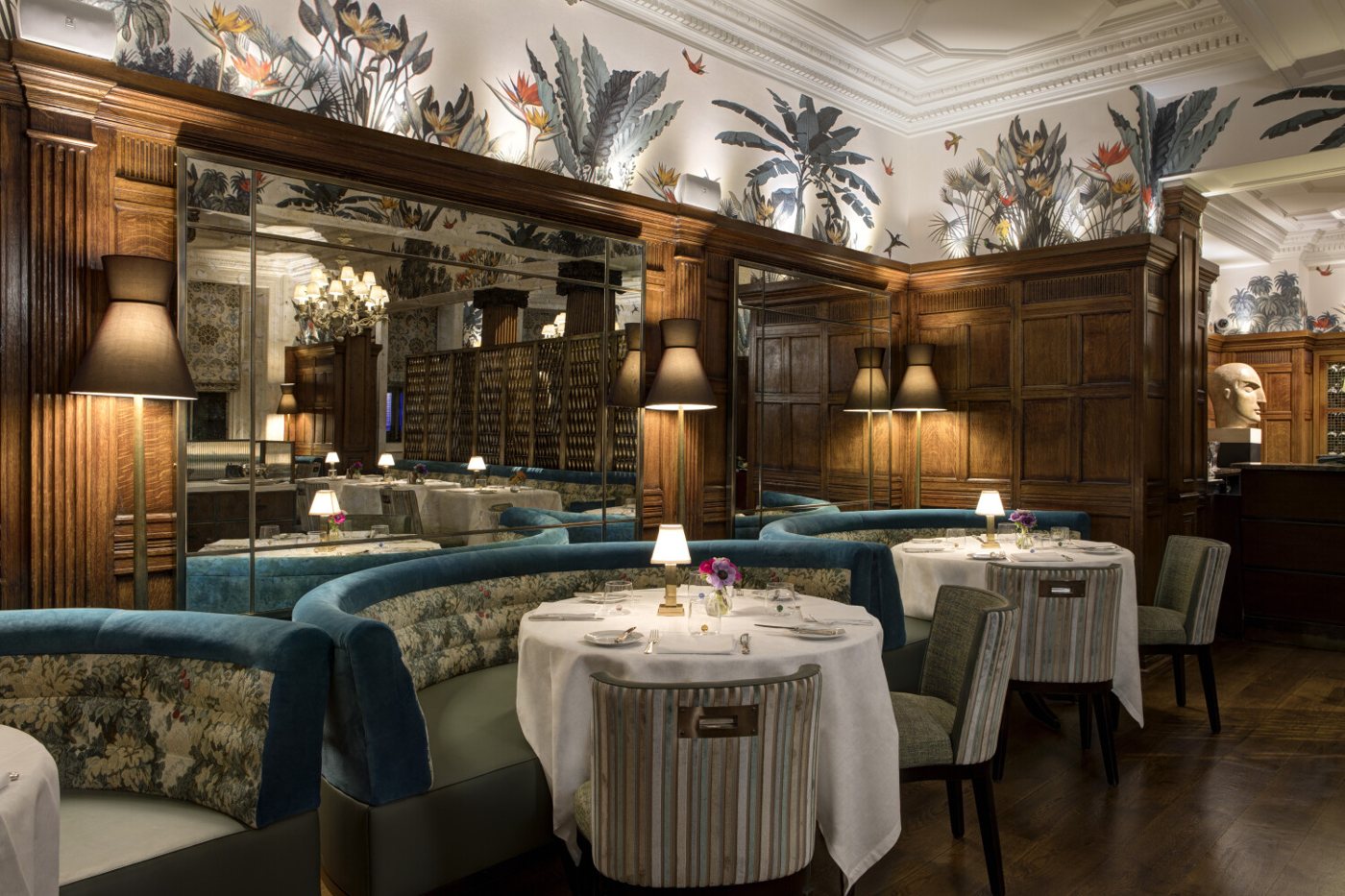
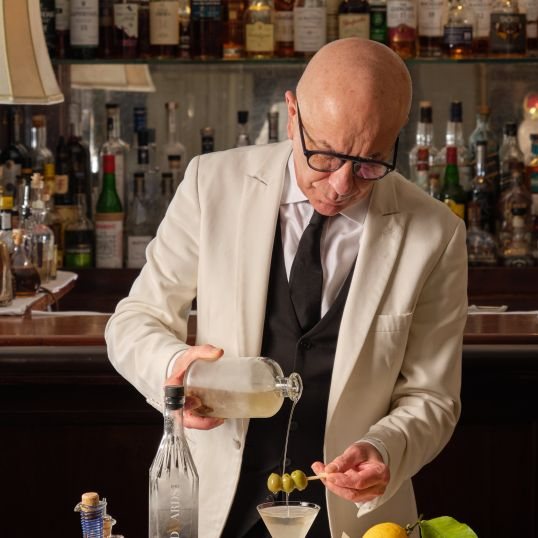
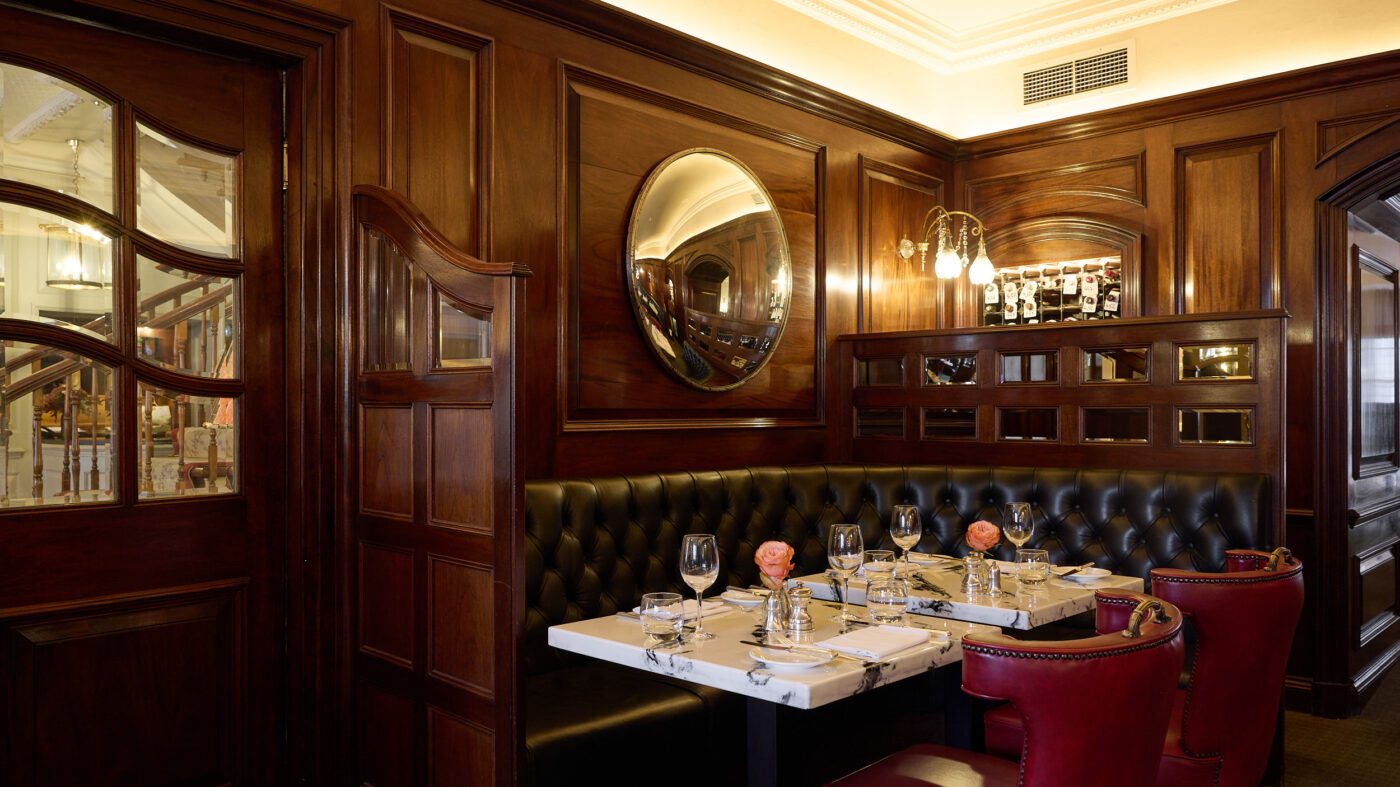
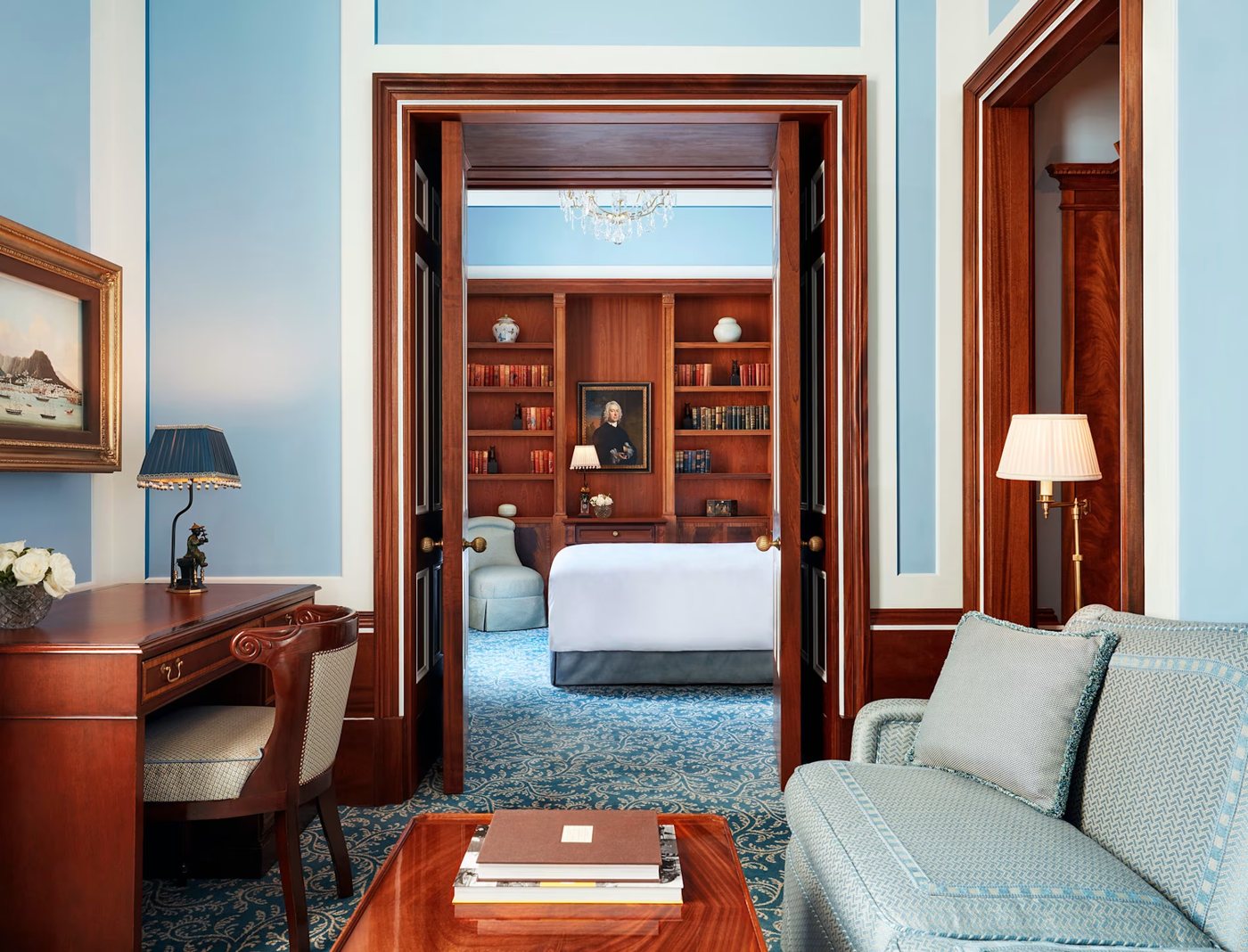
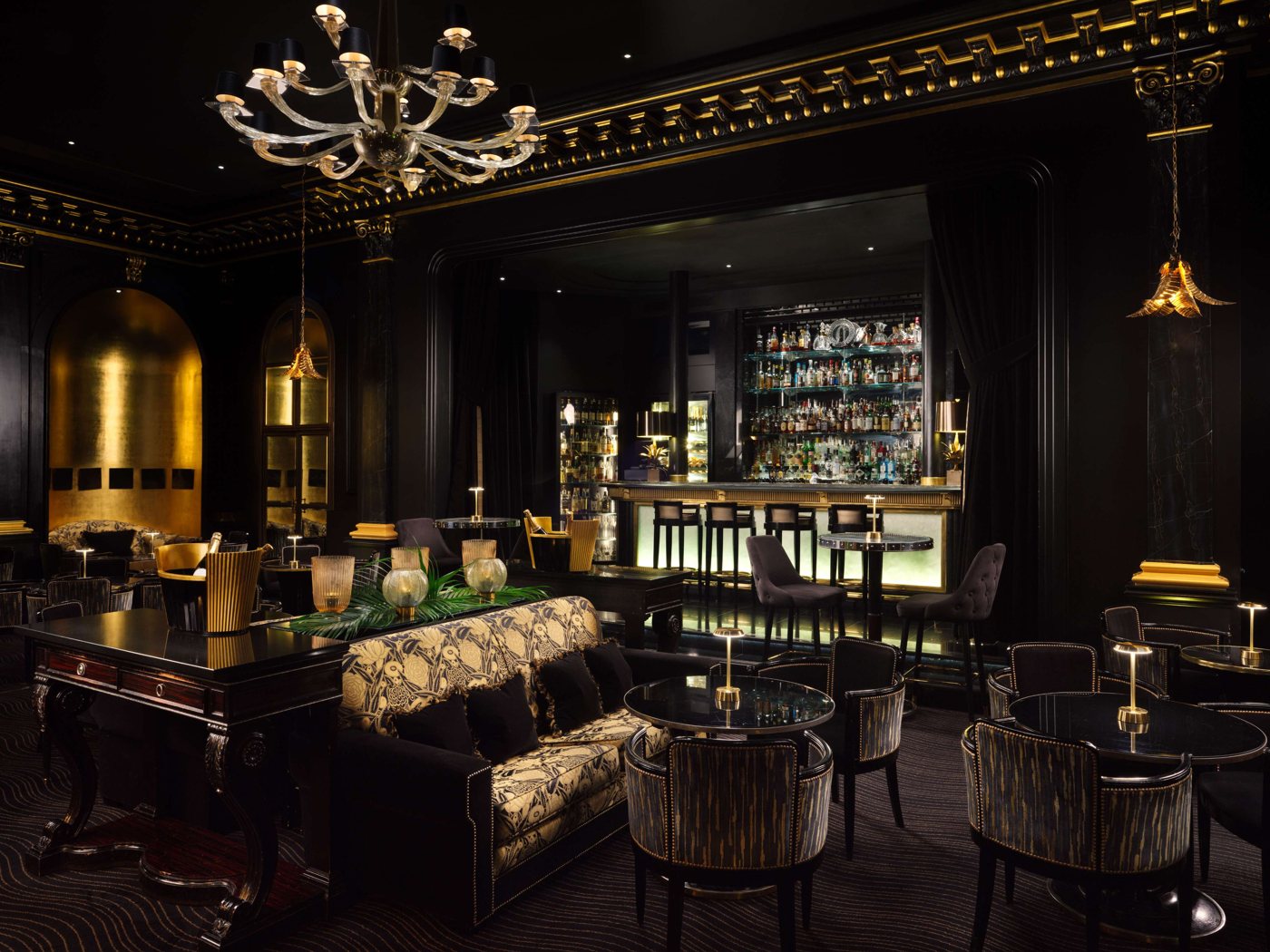
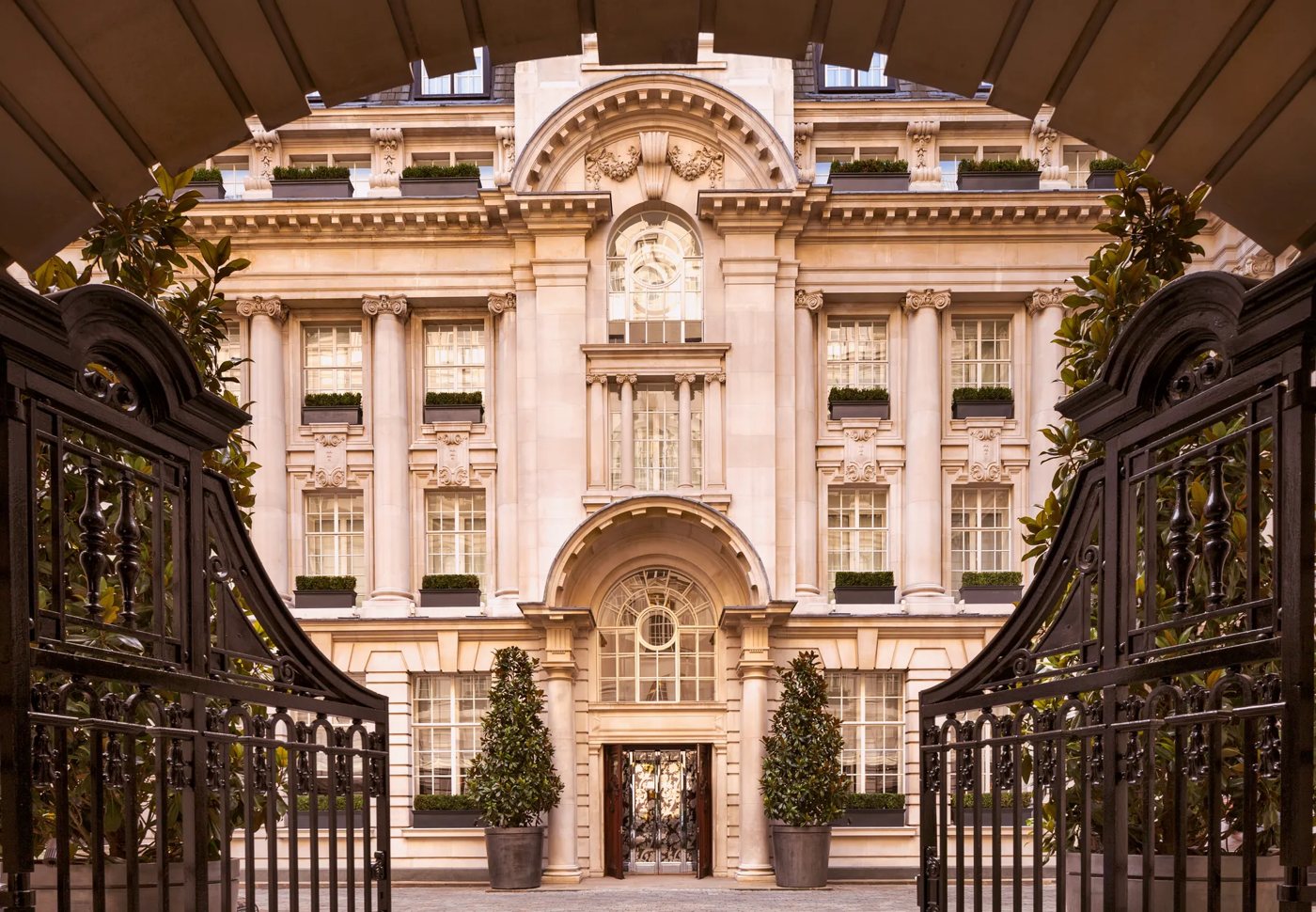
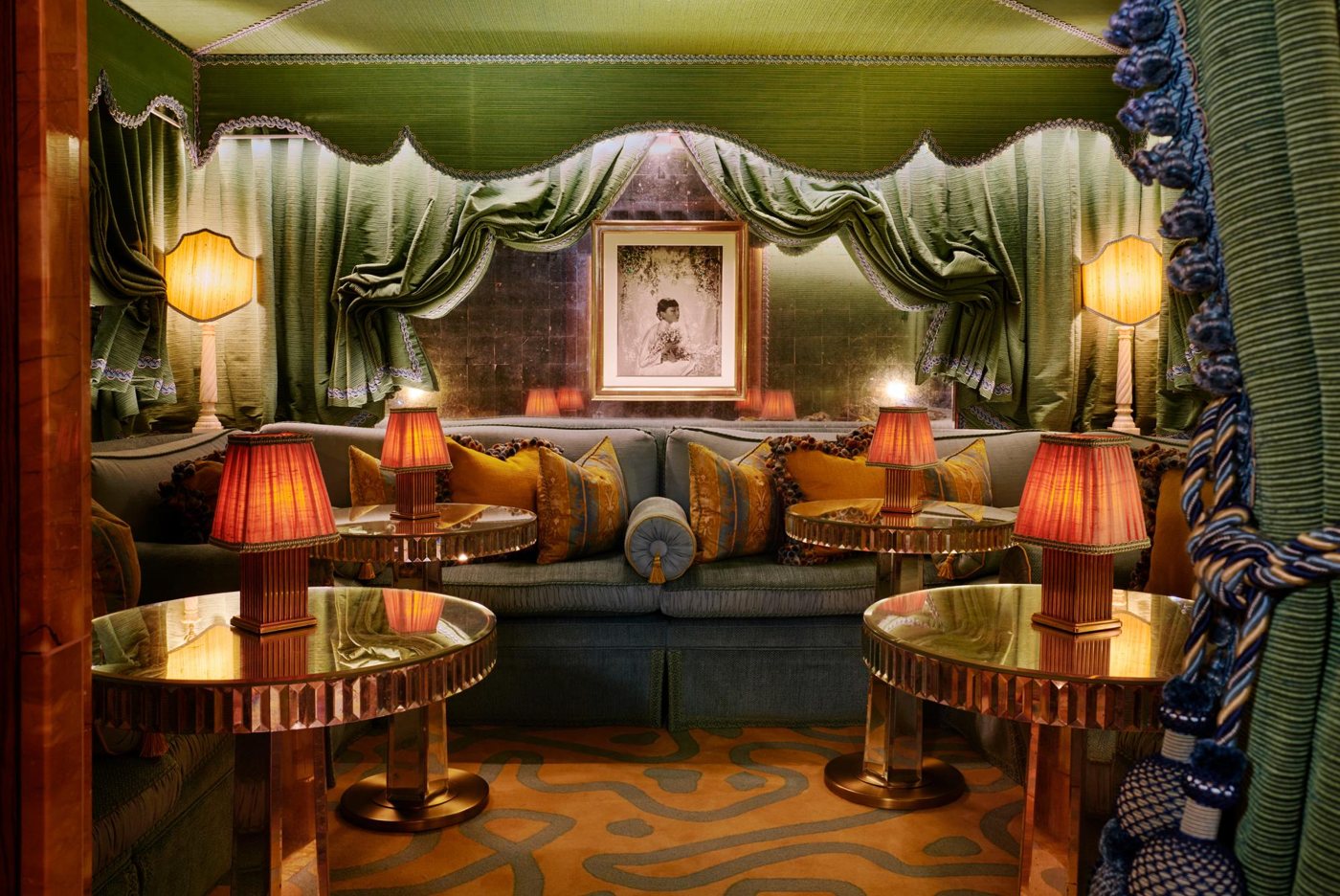
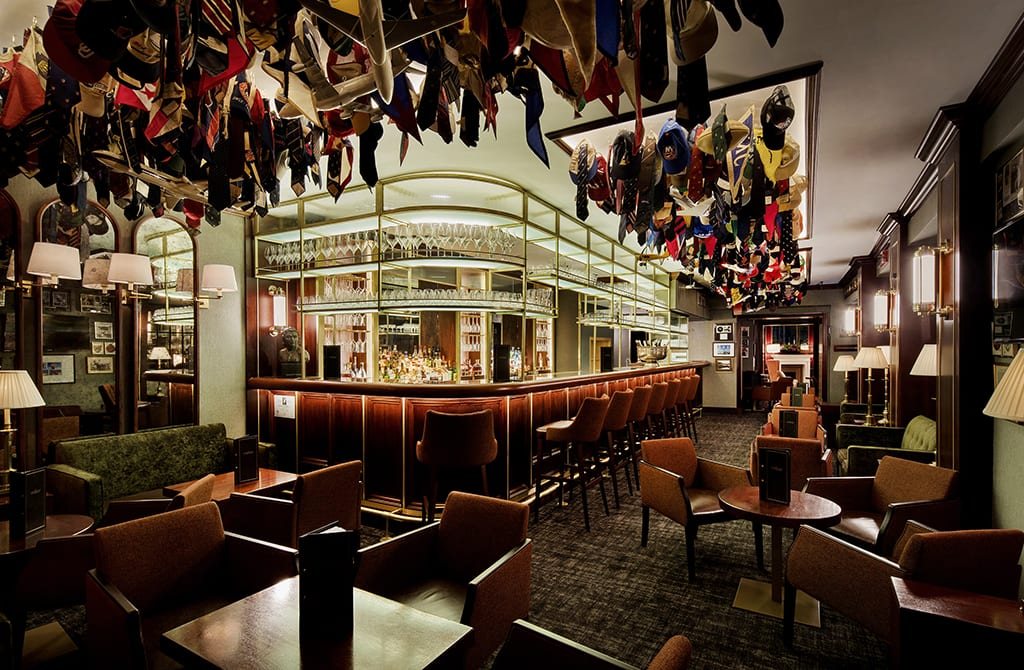
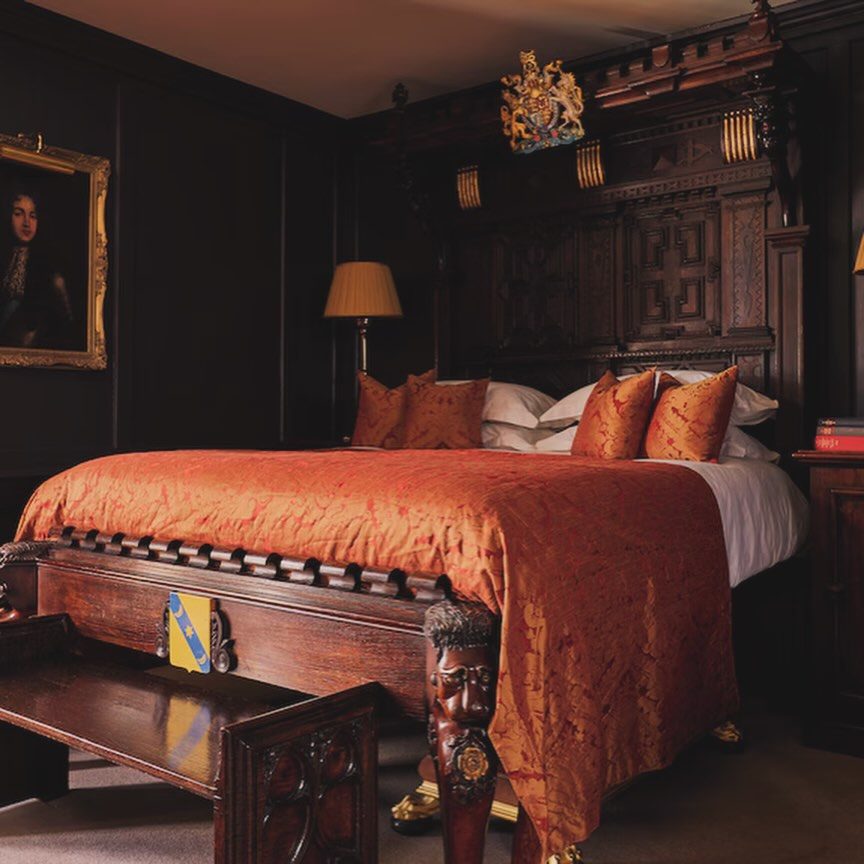
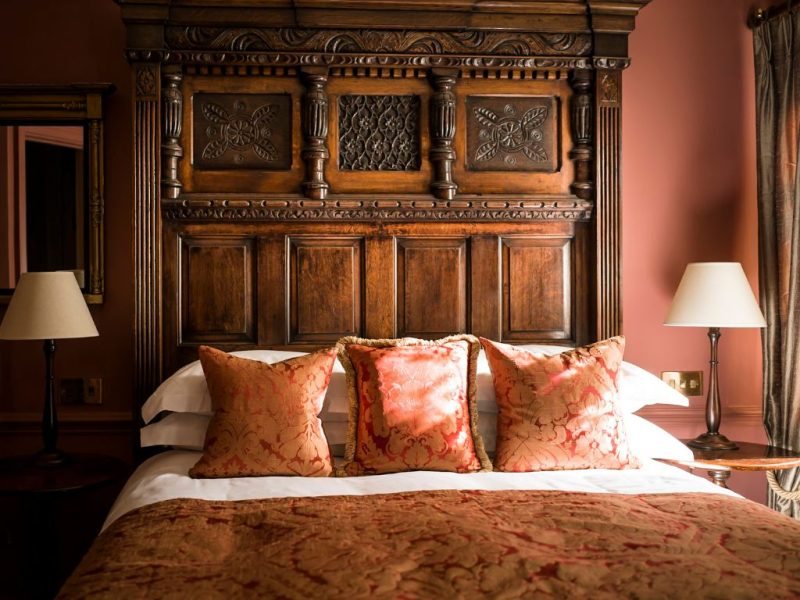
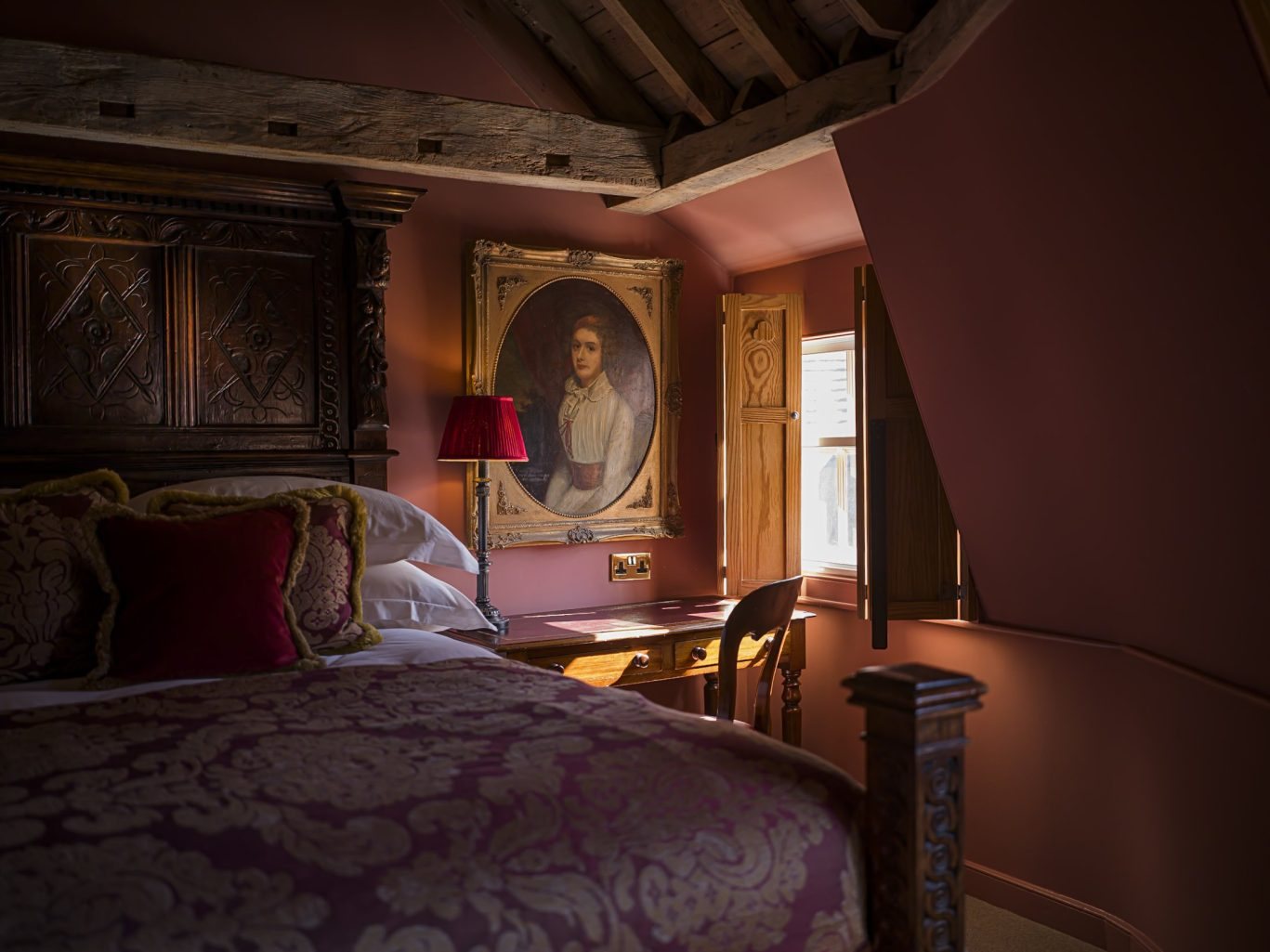
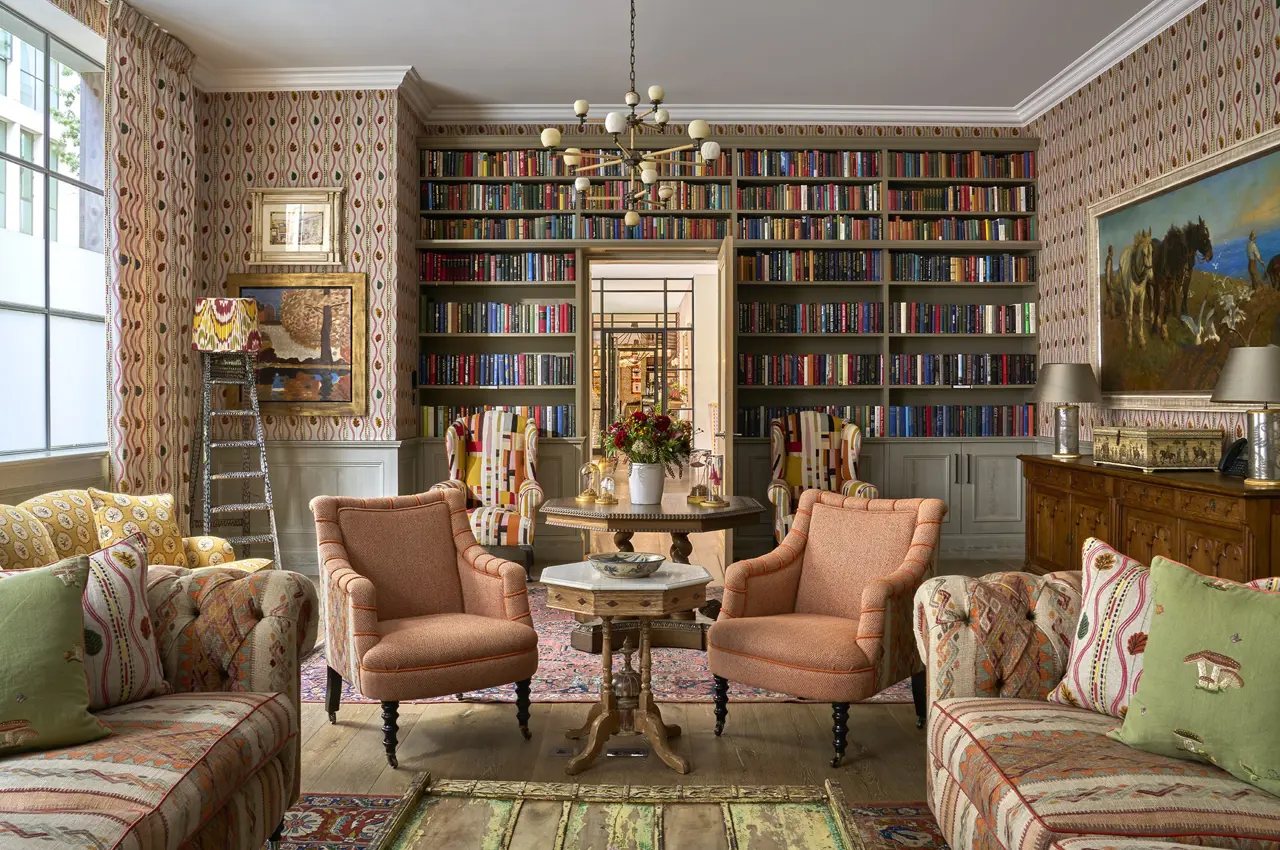
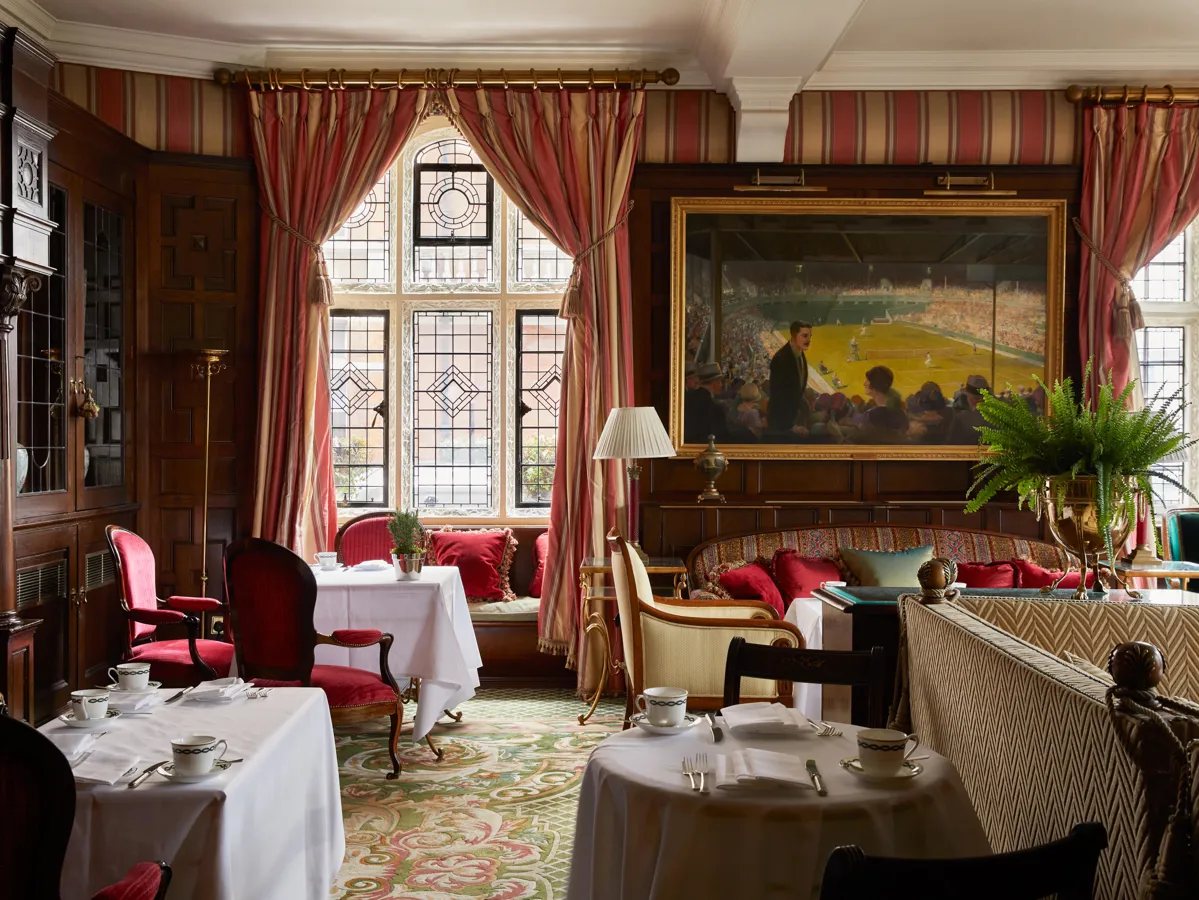
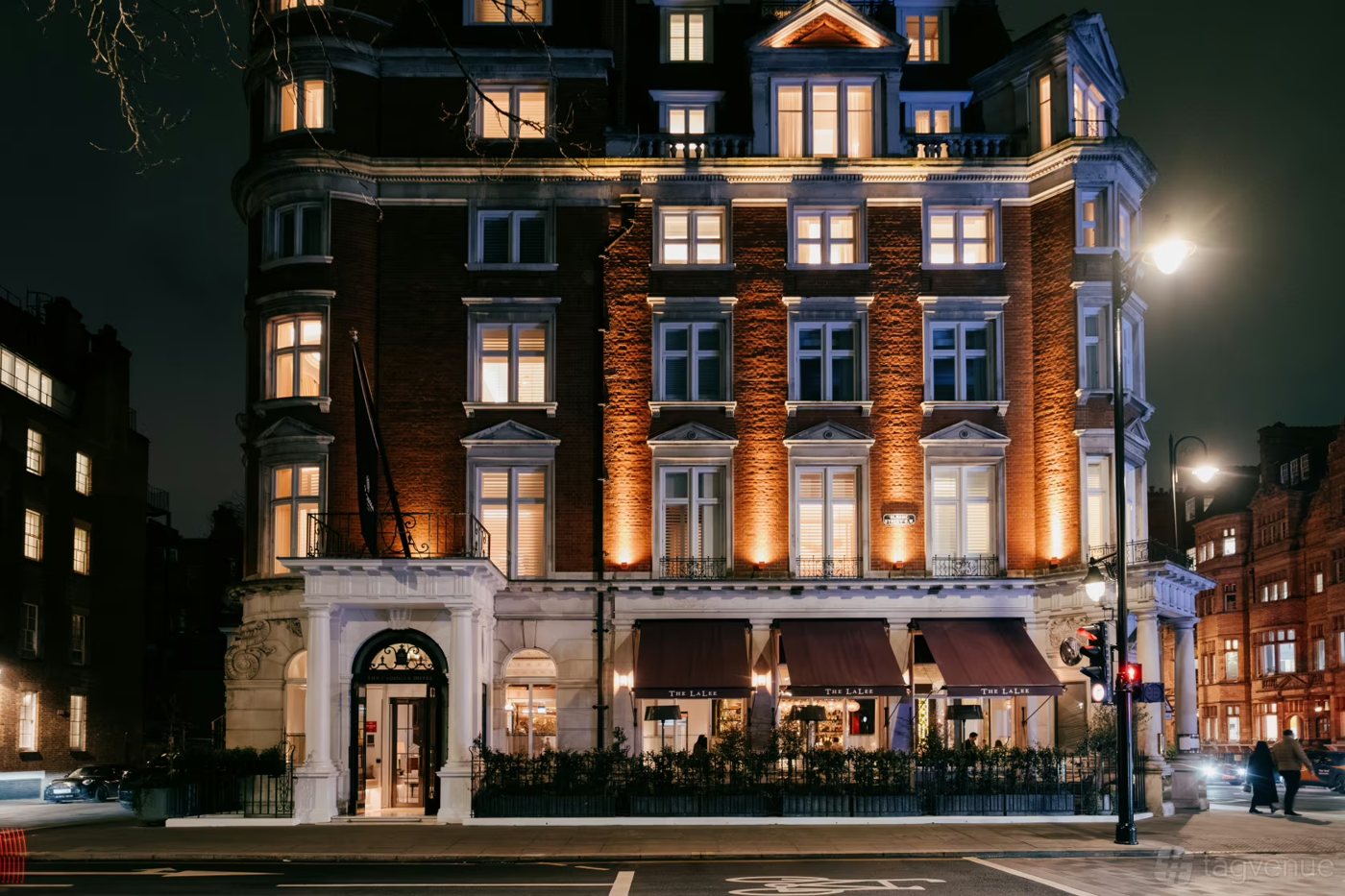
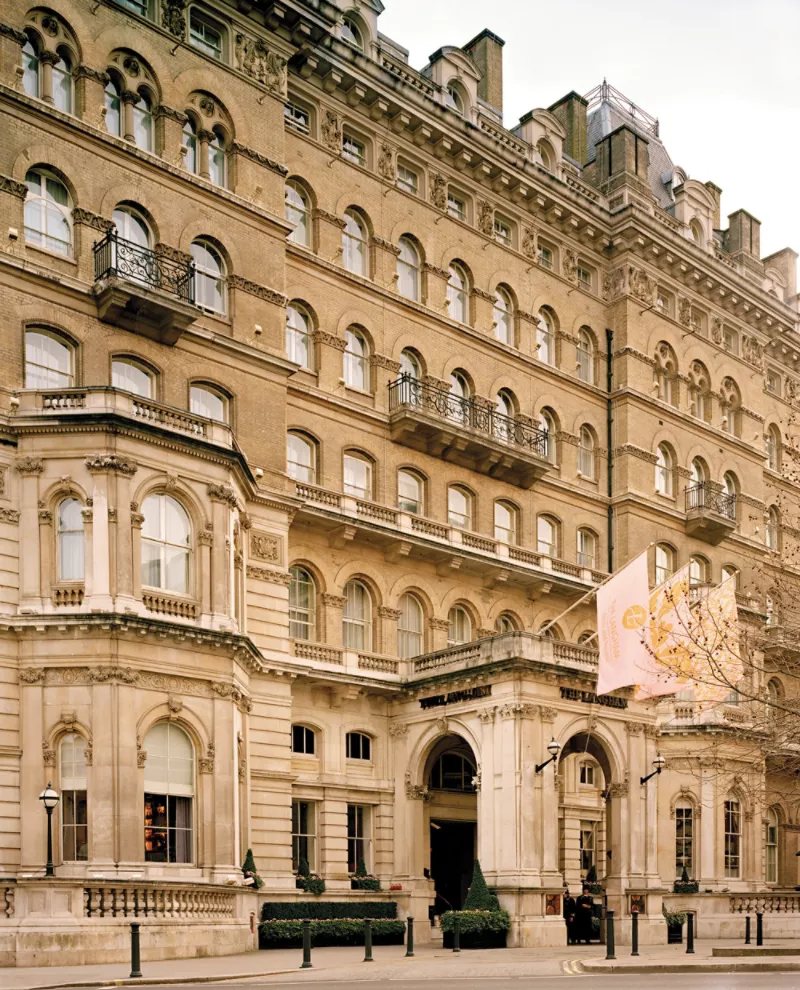
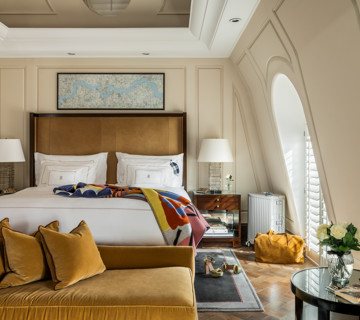
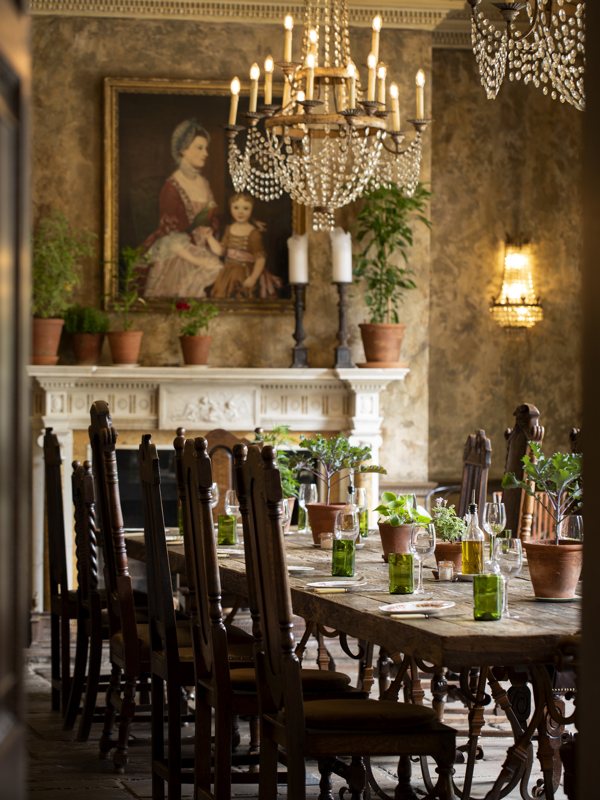
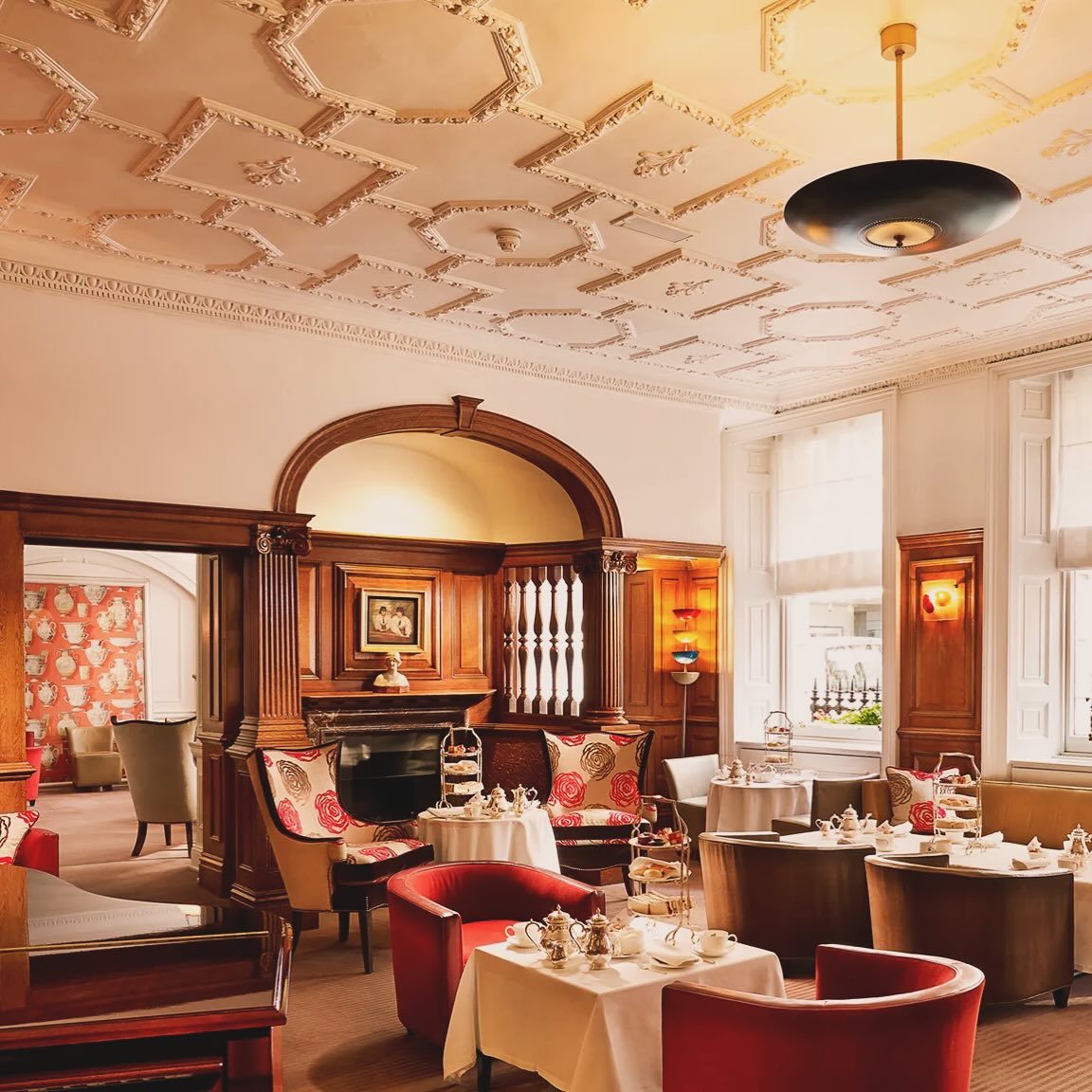
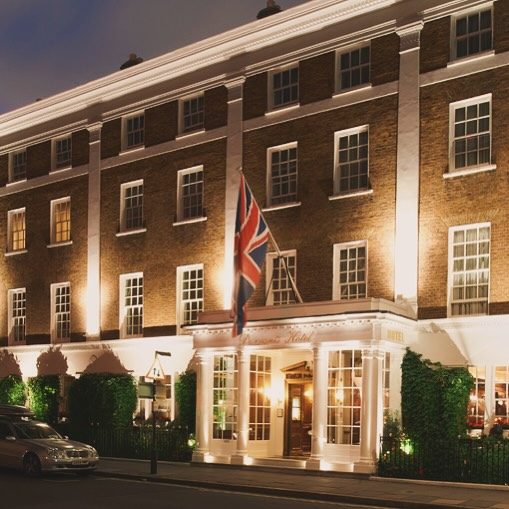
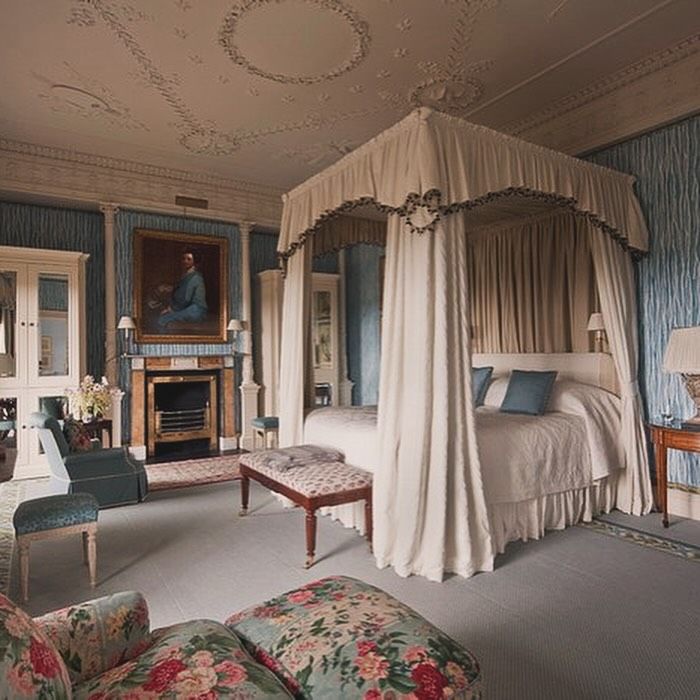
FRESH BUT COSY, grand but homely: only an establishment as invincibly English as Brown’s could marry its contradictions so beautifully. Opened in 1837, the patina of age imbues it with a uniquely patrician character. It was at Brown’s that Alexander Graham Bell made London’s first telephone call. It was at Brown’s that Rudyard Kipling worked on The Jungle Book. And it’s rumoured to have been Brown’s that inspired Agatha Christie to create the fictitious Bertram’s Hotel. With its open fires, plush-covered sofas and dignified woodwork, the ambience is as reassuring as that of an ancestral seat in the Cotswolds. To check in is to sink in, as one would into a featherbed. Still, there’s nothing in the least bit soporific about Brown’s. Acquired by Sir Rocco Forte in 2003, it was refurbished with such finesse that it gained an air of cheerful modernity that, far from detracting from its illustrious heritage, only enhanced it. On fabrics and wallpapers, flowers bloom at every turn. In Charlie’s, Michelin-starred chef Adam Byatt takes classic British dishes and gives them a contemporary twist. In The Donovan Bar, cocktails by master mixologist Salvatore Calabrese can be sipped to a backdrop of vintage photographs from the heyday of Swinging London.
If it’s true that some places, like some people, improve with the passage of years, then Brown’s, far from being over the hill, is only now in its prime.
See also: Claridge’s, Dukes, Wiltons
Claridge’s
Brook Street, W1K 4HR · 020 7629 8860
hotels
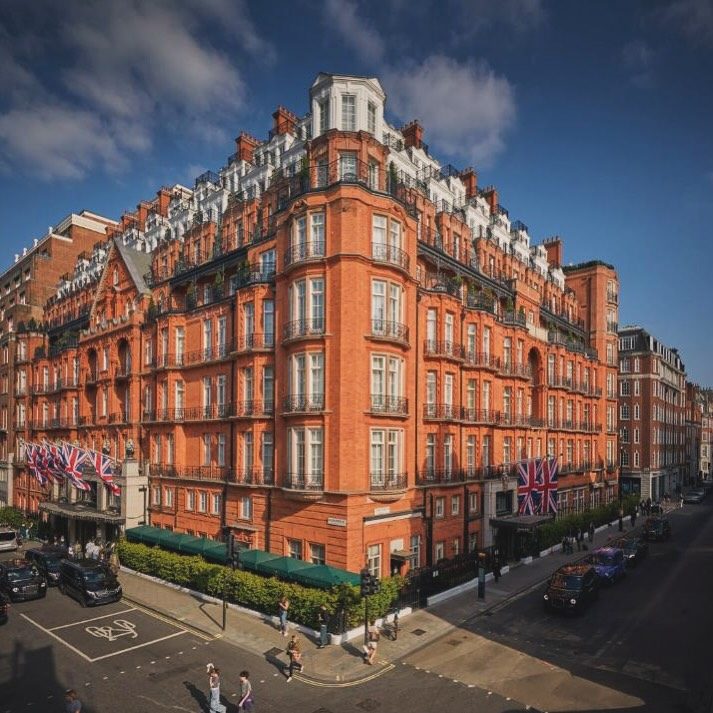
TO WRITE ABOUT CLARIDGE’S is a tall order. How can I do justice to a place I love so well? Defying superlatives, this grandest of all grand hotels exists on a plane of perfection other establishments strive but fail to reach. Upholding standards of elegance that have little to do with the quotidian concerns of the 21st century, a trip to Claridge’s is a trip to the anteroom of Heaven.
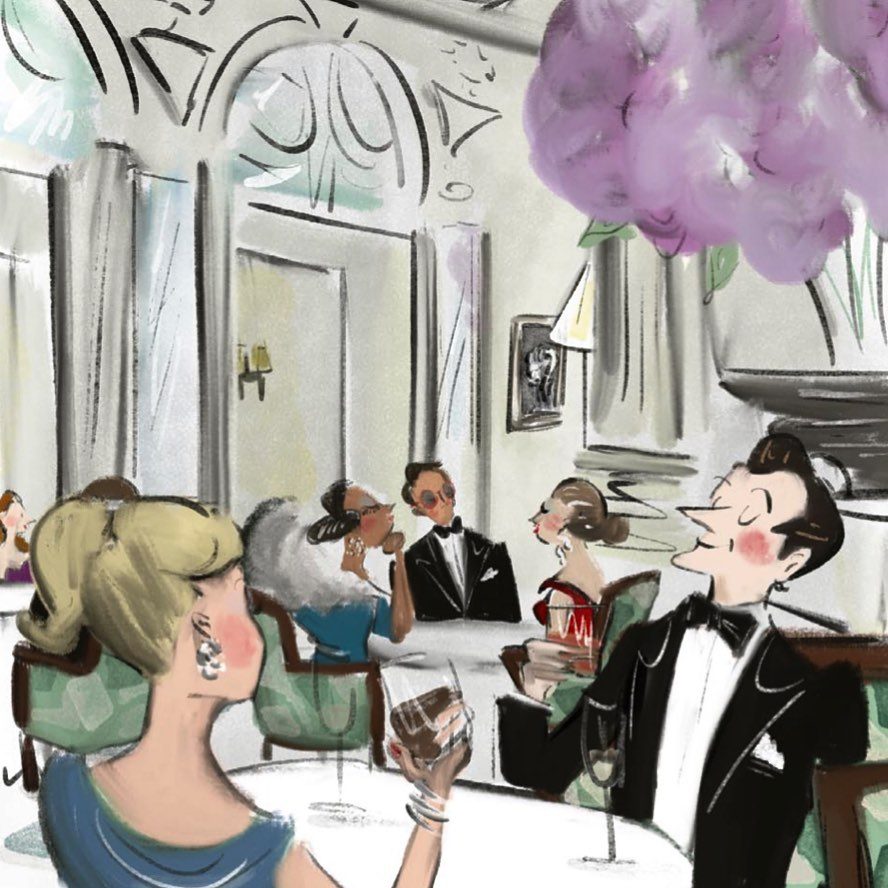
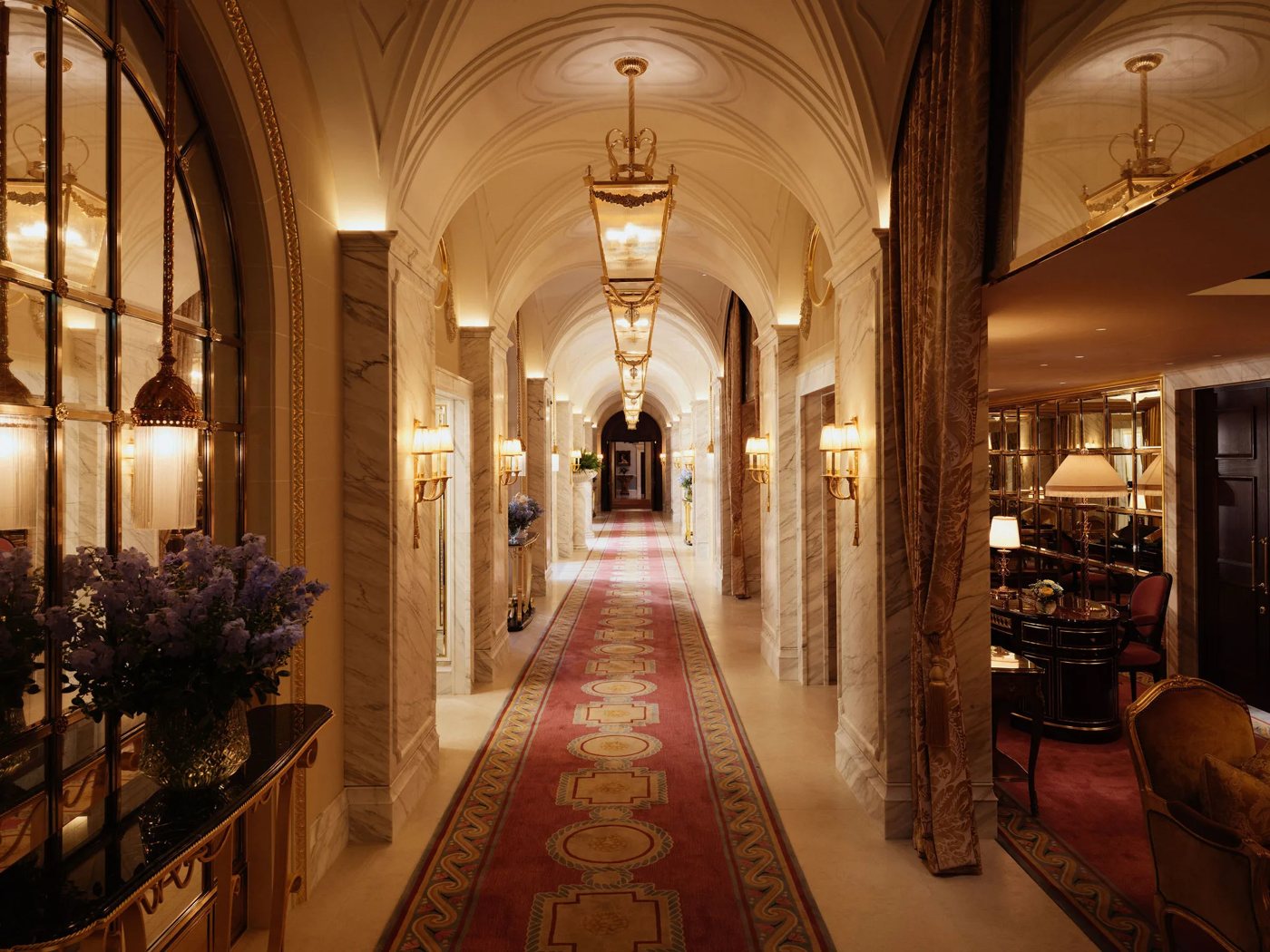
Fusing flamboyant Neo-Baroque with iconic Art Deco, the public spaces shimmer with crystal, marble, silver-gilt and engraved glass. Whatever there is that’s hard-edged and brittle is softened and made welcoming by artful lighting and a springlike colour scheme of dusty green and sunny yellow. There’s a warmth to the ambience that the exceptional – above all, personal – service lives up to. One senses that those who work here have fallen under the spell of Claridge’s as completely as any of its besotted guests, who, in their time, have included everybody from Jackie O to Cary Grant. If you’re visiting for drinks, make for the legendary Claridge’s Bar, which is a glamorous throwback to the days when the new-fangled cocktail brought a smile to the face of Jazz Age London. If you’re staying for dinner, the food in the Michelin-starred Davies and Brook can honestly be described as transcendent.
It’s pointless to pretend there’s anywhere in London quite like Claridge’s. There isn’t.
See also: Brown’s Hotel, The Connaught, Dukes
The Connaught
Carlos Place, W1K 2AL · 020 7499 7070
hotels
A CASUALTY OF THE GERMANOPHOBIA that swept Britain during the Great War, The Coburg, which could trace its origins back more than a century, was rechristened The Connaught in 1917. Happily, its essential character was unimpaired. Renovated at intervals to ensure that its amenities are as cutting-edge as one would expect of an establishment of this calibre, the atmosphere is, at heart, that of late Victorian London. With its robust wood panelling and encrustations of ornate plasterwork, The Connaught strikes me as a rather ‘masculine’ hotel. But not for a moment do I mean to imply even a hint of chauvinism.
On the contrary, skill and sensitivity on the part of designers and decorators have imbued its interiors with a sunny ambience that speaks of the conservatory as much as the gentlemen’s club. Long renowned for its exceptional cuisine, The Connaught showcases the talent of top chef Hélène Darroze in a three-Michelin-starred restaurant in which contemporary furniture and artworks by Damien Hirst are softened by natural wood and blush-toned fabrics. A brace of bars, appropriately dubbed The Coburg and The Connaught, have an after-hours feel throughout the day. The Coburg cocktail menu is a decade-by-decade spin through the classics of the last century. Try a Prince of Wales, inspired by the drinking habits of the future King Edward VII.
See also: Brown’s Hotel, Claridge’s, Dukes
Dukes
35 St James’s Place, SW1A 1NY · 020 7491 4840
hotels
TUCKED AWAY DOWN its own discreet little cul-de-sac, Dukes is as integral to St James’s as any of the other establishments – Lock & Co, Berry Bros & Rudd, Truefitt & Hill – that contribute to the image of the Classic English Gent. Indeed, ‘gentlemanly’ is the most succinct summary of its atmosphere and charms I can provide. Lady guests are, of course, made welcome, but this remains, as it has been since its inauguration in 1908, a very male establishment. Decorated in tones of grey and blue, and lined with portraits of hunting squires and military heroes, it reads as an annexe of one of the prestigious clubs just up the street. Members of White’s, Brooks’s and Boodle’s instantly feel at home.
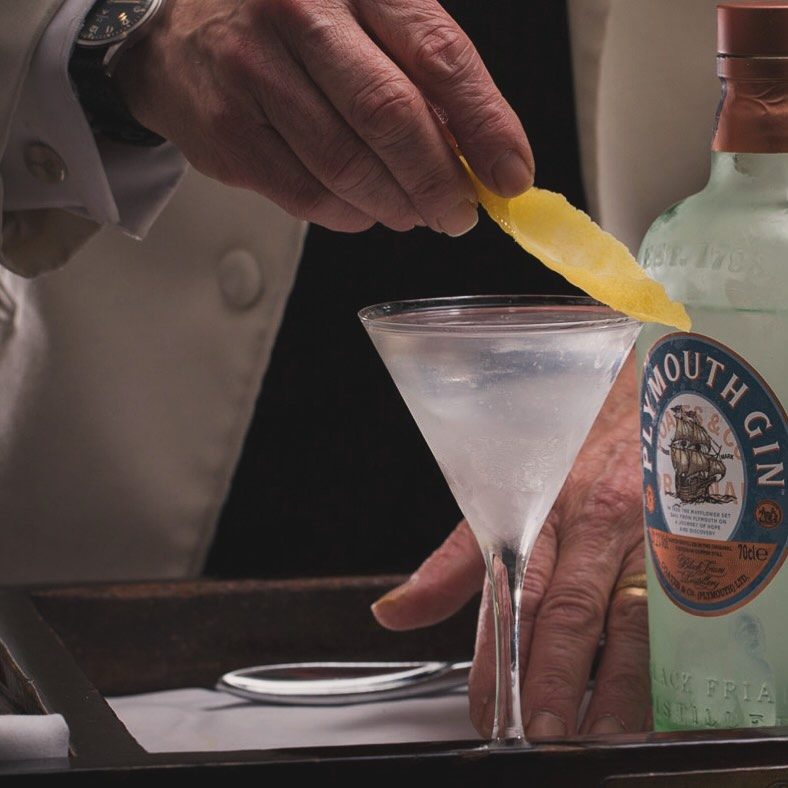
If Dukes is the hotel of choice for London’s insiders, its bar has achieved legendary – nay, iconic – status among a much wider community of sophisticates. Its presiding deity, Alessandro Palazzi, has been hailed, quite rightly, as the ‘Godfather of Bartenders’. His most devoted adherents go one step further. To them, he’s known simply as ‘Maestro’. Ruling his hushed and supremely civilised domain like a benevolent despot, Alessandro effects his magic from a little wooden trolley wheeled to one’s table. To watch him mix one of his signature ‘Vesper’ martinis is to be vouchsafed a glimpse of genius at work. The unofficial limit is two per customer. Trust me, you won’t require a third.
See also: Durrants Hotel, Brown’s Hotel, Wilton
Durrants Hotel
George Street, W1H 5BJ · 020 7935 8131
hotels
THERE’S A DEARTH of affordable hotels of genuine character in Central London. Not everybody can or will splash out on the likes of Claridge’s, The Connaught or The Ritz. Does that mean the out-of-towner should resign himself to the bland amenities of a link in an international chain? By no means. As long as Durrants is in the picture, he’ll have an experience that’s arguably even more ‘English’ than any of those obtainable in grander and more cosmopolitan establishments. There’s a charm in that certainty that money can’t buy in this cookie-cutter world.
Secreted behind the Wallace Collection on a tributary of Marylebone High Street, Durrants is likely to have been frequented by Jane Marple or, a couple of generations earlier, by an archdeacon up from Barchester in a novel by Anthony Trollope. Internally, it’s arranged exactly like a railway carriage of the pre-Beeching era. A lateral corridor gives onto any number of small spaces: nooks, crannies and snugs pressed into service as bars, lounges and private dining rooms. In spite of a recent sprucing that saw a patina of Pimlico Road chic applied to a foundation of knotty wood panelling, prints, and oil paintings of questionable merit, Durrants retains an invincible air of shabby gentility. It’s exactly the kind of place in which I’d like to hole up on the ‘Foggy Day in London Town’ written and composed by George and Ira Gershwin.
See also: Brown’s Hotel, Dukes
The Ritz
150 Piccadilly, W1J 9BR · 020 7493 8181
hotels
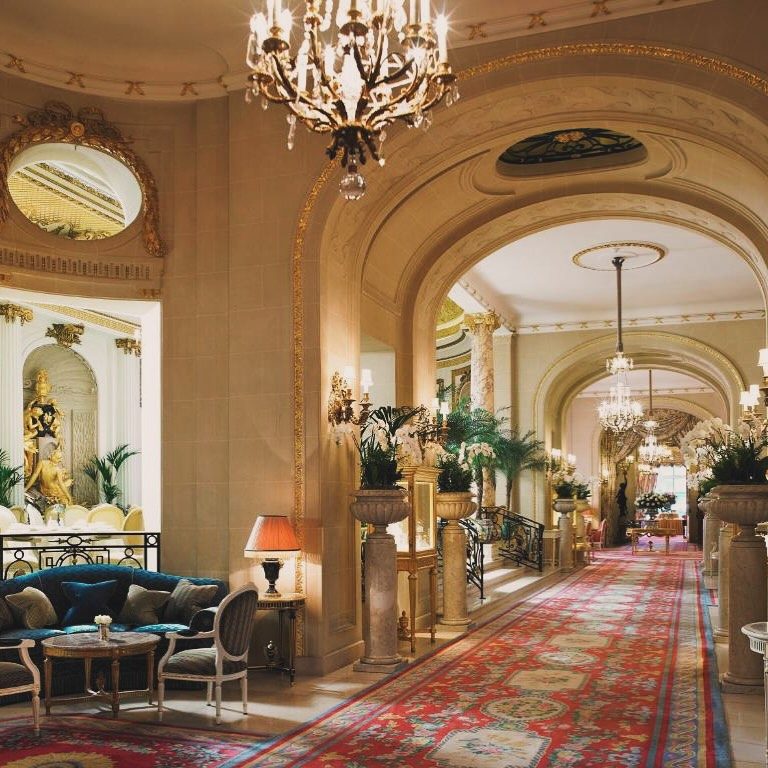
I DARESAY THE RITZ ANSWERS every would-be Eloise’s conception of the ‘grand hotel’ more completely than any other establishment in London. A landmark since its opening in 1906, its aura of extreme opulence is refracted through a series of overlapping prisms. An Edwardian interpretation of Louis Seize by those masters of the style, Charles Mewès and Arthur Davis, in middle age it took on the air of a stage set designed by Cecil Beaton. After a spell of genteel shabbiness, it was rejuvenated around the turn of the millennium and is now glitzier than ever. Mirrored glass, swagged curtains, tinkling chandeliers and floral carpets: this is luxury at its most theatrical. There’s a great deal of gold.
A trifle over-burnished for my taste, The Ritz is able to capitalise on its Piccadilly location and instantly recognisable name by catering endless afternoon teas to native and foreign tourists in its ravishingly pretty Palm Court. Sittings commence before lunch and are still in full swing at 7.30PM. Bookings are made months in advance. If the notion of ‘afternoon’ tea taken at, and way past, the cocktail hour seems faintly daft, make for the more worldly Rivoli Bar, which is a latter-day interpretation of Art Deco straight out of a painting by Tamara de Lempicka. With its wall of windows giving onto Green Park, the Michelin-starred Ritz Restaurant has a claim to be considered the most beautiful room in England.
See also: Claridge’s, The Connaught, Harry’s Bar